
Architecture and interior design set the stage for this enthralling narrative, offering readers a glimpse into a story that is rich in detail and brimming with originality. From defining these concepts to exploring their interconnectedness, this overview delves into the world of design with precision and depth.
Delving further, we will discuss key elements, the importance of space planning, and sustainable design practices to provide a comprehensive understanding of this dynamic field.
Overview of Architecture and Interior Design
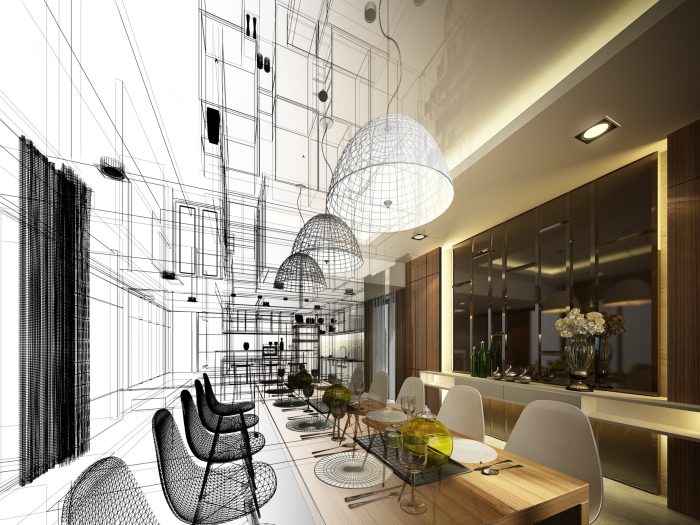
Architecture and interior design are closely related disciplines that work together to create functional and aesthetically pleasing spaces. Architecture focuses on the overall design and structure of a building, including the layout, materials, and construction, while interior design deals with the interior spaces, furniture, finishes, and décor.
Relationship between Architecture and Interior Design
The relationship between architecture and interior design is symbiotic, as both disciplines complement each other to create cohesive and harmonious spaces. Architects design the overall structure of a building, considering factors such as functionality, aesthetics, and safety. Interior designers then work within the architectural framework to enhance the interior spaces, ensuring that they are both visually appealing and functional.
Examples of Architecture and Interior Design Working Together
- Integration of natural light: Architects strategically design windows and openings in a building to allow natural light to enter the space. Interior designers then work with this natural light to create ambiance and enhance the overall design.
- Material selection: Architects choose materials for the exterior of the building, which can influence the interior design choices. Interior designers may use complementary materials and finishes to create a cohesive look throughout the space.
- Spatial planning: Architects design the layout of a building, including room sizes and flow. Interior designers then plan the interior spaces, ensuring that furniture placement and circulation paths are optimized for functionality and visual appeal.
Elements of Architecture and Interior Design
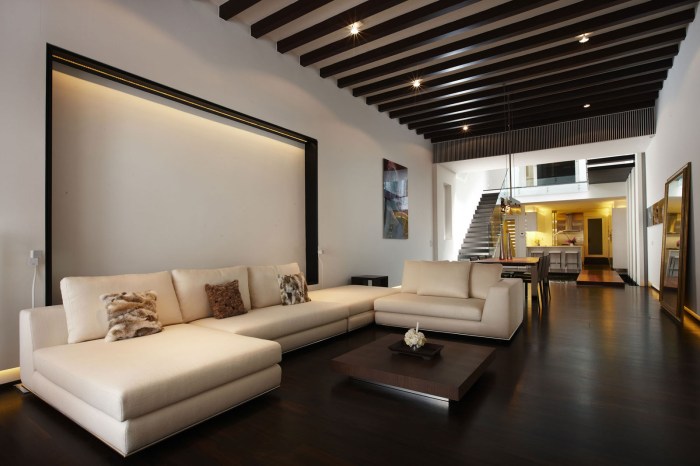
Architecture and interior design are both intricate fields that require a deep understanding of various key elements to create functional and aesthetically pleasing spaces.
Key Elements of Architectural Design
Architectural design involves the following key elements:
- Form: The shape, structure, and appearance of a building, which includes elements such as symmetry, proportions, and balance.
- Function: The purpose and intended use of a building, which influences the layout, circulation, and spatial organization.
- Materials: The selection of materials used in construction, considering factors like durability, sustainability, and aesthetic qualities.
Essential Elements of Interior Design
Interior design focuses on the following essential elements:
- Color: The choice of color schemes to create a specific mood or atmosphere within a space.
- Lighting: The strategic placement of lighting fixtures to enhance visibility, highlight features, and create ambiance.
- Texture: The tactile quality of surfaces, materials, and finishes that add depth and visual interest to a room.
Comparison of Elements in Architecture and Interior Design
While architecture and interior design share some common elements like form and materials, they also have unique aspects:
| Architecture | Interior Design |
|---|---|
| Focuses on the overall structure and external appearance of buildings. | Emphasizes the arrangement and decoration of interior spaces for functionality and aesthetics. |
| Considers factors like site context, climate, and building codes in design decisions. | Utilizes elements like furniture, accessories, and textiles to enhance the interior environment. |
| Requires a deep understanding of structural systems and construction techniques. | Utilizes elements like lighting, color, and texture to create cohesive and inviting interiors. |
Importance of Space Planning
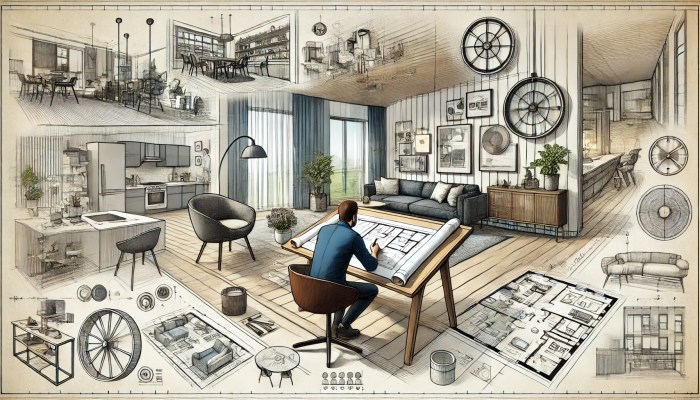
Space planning plays a crucial role in both architecture and interior design as it involves strategically organizing and arranging elements within a given space to optimize functionality, efficiency, and aesthetics. Effective space planning can greatly impact how a space is used, the flow of movement within it, and the overall visual appeal.
Examples of Effective Space Planning
- In modern minimalist architecture, space planning focuses on keeping the design simple and uncluttered, with an emphasis on open floor plans and maximizing natural light to create a sense of spaciousness.
- In traditional architecture, space planning often involves creating defined areas for specific functions, such as separate living, dining, and sleeping spaces, while maintaining a sense of symmetry and balance.
- In contemporary interior design, space planning may involve multi-functional furniture and clever storage solutions to make the most of limited space, while still maintaining a stylish and cohesive look.
Impact of Space Planning on Functionality and Aesthetics
Space planning directly affects the functionality of a space by determining how well it can be utilized for its intended purpose. For example, a well-planned kitchen layout can make cooking and meal preparation more efficient, while a thoughtfully designed office space can improve productivity and workflow.In terms of aesthetics, space planning influences the overall look and feel of a space by determining the placement of furniture, fixtures, and decor.
Properly planned spaces can enhance the visual appeal of a room, create a harmonious balance between different elements, and contribute to a sense of coherence and unity in the design.
Sustainable Design Practices
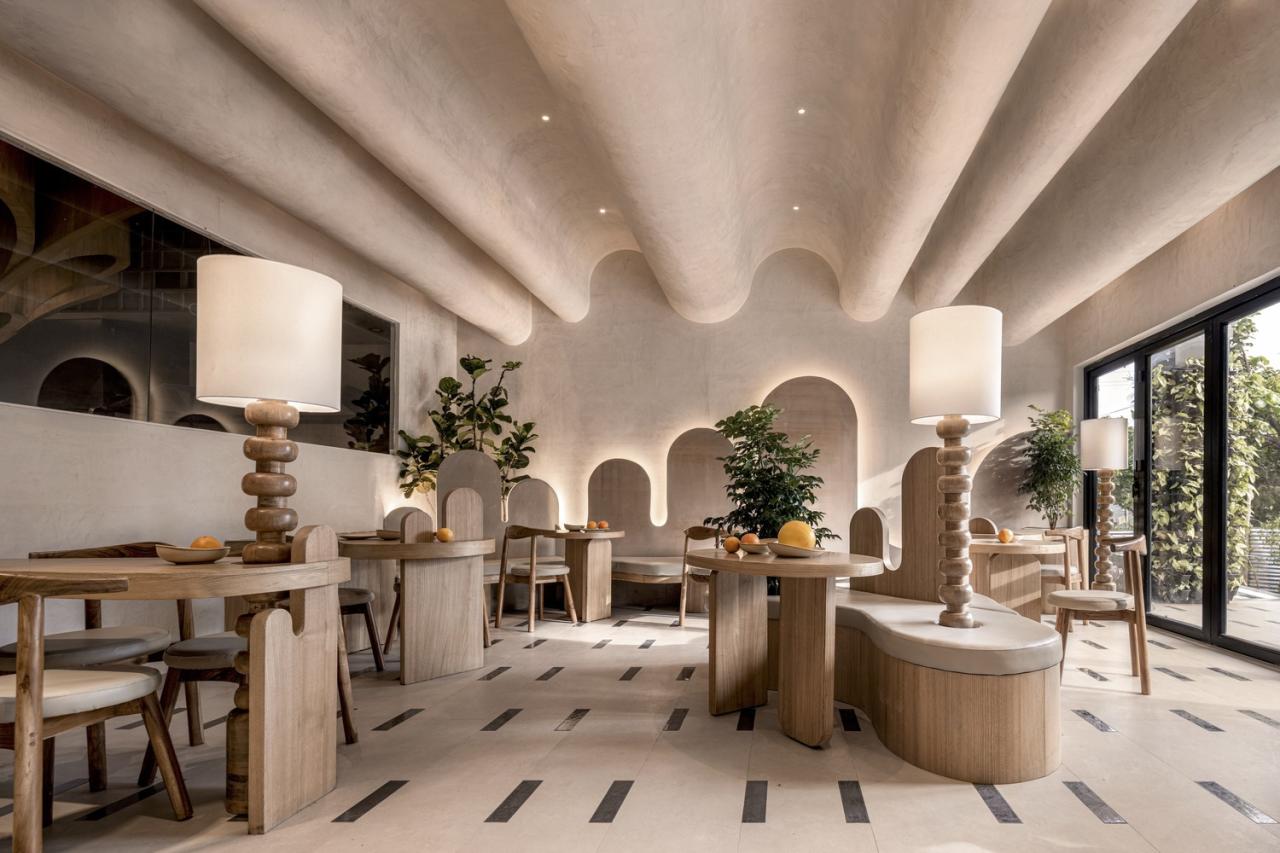
Sustainable design practices in architecture and interior design focus on creating spaces that are environmentally friendly, energy-efficient, and socially responsible. By incorporating sustainable elements into projects, designers can reduce the negative impact on the environment and promote a healthier living or working environment.
Benefits of Sustainable Design
- Reduction of carbon footprint: Sustainable design practices help reduce greenhouse gas emissions and overall carbon footprint, contributing to a healthier planet.
- Energy efficiency: Incorporating sustainable materials and technologies can lead to lower energy consumption and reduced utility costs in the long run.
- Healthier indoor environment: Using non-toxic materials and improving indoor air quality can enhance the overall health and well-being of occupants.
Examples of Sustainable Design Solutions
- Green roofs: Installing green roofs on buildings can help reduce heat island effect, improve air quality, and provide insulation, leading to energy savings.
- Solar panels: Integrating solar panels into the design can generate renewable energy and reduce reliance on non-renewable sources.
- Water conservation: Implementing water-saving fixtures and systems can reduce water consumption and promote sustainable water management practices.
Ending Remarks
In conclusion, the intricate dance between architecture and interior design shapes our living environments in profound ways. By understanding the fundamentals and embracing innovative practices, we pave the way for a harmonious blend of functionality and aesthetics in design.
FAQ Insights
What is the primary difference between architecture and interior design?
Architecture focuses on the overall design and structure of buildings, while interior design deals with the interior spaces and their functionality and aesthetics.
How do architecture and interior design complement each other?
Architecture provides the foundation and structure, while interior design enhances the space by focusing on furniture, color schemes, and decor.
Why is space planning important in design?
Effective space planning optimizes the functionality and flow of a space, ensuring that it meets the needs of its occupants while maximizing visual appeal.
What are some examples of sustainable design practices in architecture?
Examples include using eco-friendly materials, incorporating energy-efficient systems, and designing for natural light and ventilation.
How does sustainable design benefit architectural and interior projects?
Sustainable design reduces environmental impact, lowers operating costs, and creates healthier and more comfortable spaces for occupants.