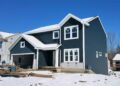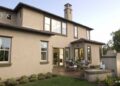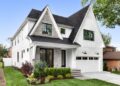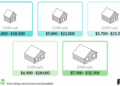

Dark siding house is a trend that has taken the architectural world by storm, offering a unique and modern aesthetic to homes. From sleek charcoal hues to deep navy tones, the versatility of dark siding colors opens up endless design possibilities for homeowners.
Let's delve into the world of dark siding and discover how it can transform your home into a stylish masterpiece.
Overview of Dark Siding House
Dark siding for houses has become a popular choice for homeowners looking to add a modern and sleek touch to their property. Instead of traditional light-colored siding, dark siding offers a more dramatic and striking appearance that can enhance the overall curb appeal of a house.One of the key benefits of using dark siding is its ability to hide dirt, dust, and stains better than lighter colors.
This means less maintenance and cleaning required to keep the exterior of the house looking fresh and clean.Another advantage of dark siding is its ability to absorb heat, which can be beneficial in colder climates as it helps to retain warmth and increase energy efficiency.
Additionally, dark siding can create a cozy and inviting atmosphere, especially when paired with the right accents and landscaping.
Popular Dark Siding Color Options
- Charcoal Gray: A versatile and sophisticated color that works well with a variety of architectural styles.
- Deep Navy Blue: Adds a bold and nautical-inspired look to the exterior of a house.
- Black: A classic choice that offers a sleek and modern appearance, perfect for creating a dramatic contrast.
- Dark Green: Ideal for blending in with natural surroundings and creating a harmonious connection with the landscape.
Materials for Dark Siding
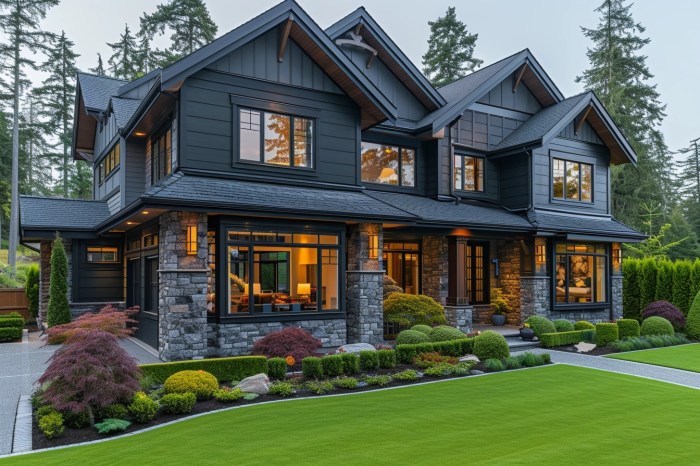
When it comes to dark siding for houses, there are several common materials that are often used. Each material has its own pros and cons in terms of durability and maintenance requirements.
Wood
Wood is a popular choice for dark siding due to its natural and timeless look. However, wood requires regular maintenance such as staining or painting to protect it from the elements. In humid or wet climates, wood siding can be prone to rot and mold if not properly maintained.
Fiber Cement
Fiber cement siding is a durable option that can mimic the look of wood but with less maintenance. It is resistant to rot, fire, and pests, making it a great choice for dark siding. However, it may require repainting over time to maintain its color and finish.
Vinyl
Vinyl siding is a cost-effective option for dark siding that is easy to install and requires minimal maintenance. It is resistant to moisture and insects, making it a durable choice for various weather conditions. However, extreme temperatures can cause vinyl siding to warp or crack.
Metal
Metal siding, such as steel or aluminum, is a strong and durable option for dark siding. It is resistant to fire, pests, and rot, making it a low-maintenance choice for homeowners. However, metal siding can be prone to dents and scratches, especially in areas prone to severe weather conditions.
Brick
Brick siding provides a classic and timeless look for dark siding. It is highly durable and requires minimal maintenance, making it a long-lasting option for homes. However, the initial cost of brick siding can be higher compared to other materials.
Design Considerations
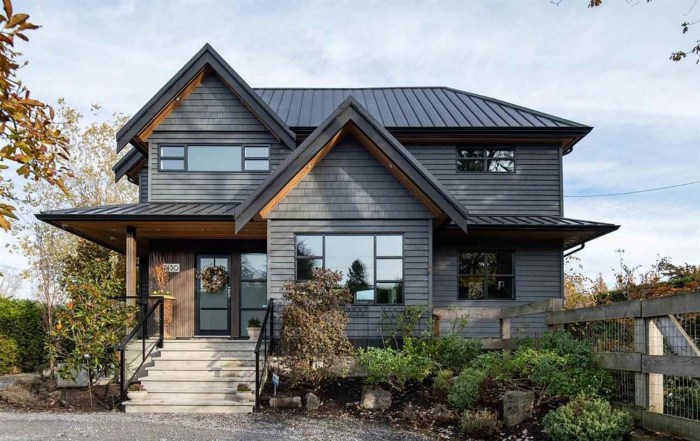
Dark siding can dramatically impact the overall aesthetic of a house, creating a bold and modern look. The color choice can influence the perception of the home's size, as dark colors tend to make a house appear smaller, while also adding a sense of sophistication and elegance.
Contrasting Trim Colors
When choosing trim colors to complement dark siding, it's important to create a striking contrast that enhances the visual appeal of the house. Lighter shades such as white, cream, or light gray can provide a crisp and clean look against dark siding, highlighting architectural details and creating a visually appealing contrast.
Choosing the Right Dark Siding
For different architectural styles, it's crucial to select the appropriate dark siding to complement the overall design of the house. Here are some tips for choosing the right dark siding based on architectural styles:
- Modern Architecture:Opt for sleek and dark siding options such as charcoal gray or deep navy to enhance the contemporary aesthetic of the house.
- Traditional Architecture:Darker shades like forest green, rich brown, or deep red can add a classic and timeless charm to traditional homes.
- Craftsman Style:Earthy tones like dark olive or chocolate brown can complement the natural materials and rustic elements commonly found in Craftsman style homes.
- Cottage or Farmhouse Style:Consider dark blue or black siding to create a cozy and inviting feel that blends well with the rustic charm of cottage or farmhouse architecture.
Installation Process
When it comes to installing dark siding on a house, there are several key steps to follow to ensure a successful outcome. It's important to pay attention to detail and take your time to guarantee a high-quality installation that will enhance the overall look of your home.
Preparation
Before you begin the installation process, make sure to prepare the surface of the house properly. This involves cleaning the area thoroughly to remove any dirt, debris, or old paint that may interfere with the siding installation.
Measurement and Cutting
Accurate measurement and cutting of the siding panels are crucial for a seamless installation. Make sure to carefully measure the dimensions of the walls and cut the siding panels accordingly to fit perfectly.
Installation of Siding Panels
Start by attaching the first siding panel at the bottom of the wall and work your way up. Use nails or screws to secure the panels in place, making sure they are level and properly aligned. Ensure that there is enough space for expansion and contraction of the siding material.
Finishing Touches
Once all the siding panels are installed, make sure to add finishing touches such as corner pieces, trim, and caulking to complete the look. This will not only enhance the appearance of the siding but also provide additional protection against the elements.
Special Considerations
During the installation process, it's important to consider factors such as weather conditions, proper ventilation behind the siding, and the use of the right tools and materials. These considerations can help prevent issues such as moisture buildup, mold growth, or warping of the siding.
Tips for Success
- Follow the manufacturer's instructions carefully to ensure proper installation of the dark siding.
- Take your time and double-check measurements to avoid costly mistakes.
- Work with a partner to make the installation process easier and more efficient.
- Invest in high-quality tools and materials to achieve a professional finish.
End of Discussion
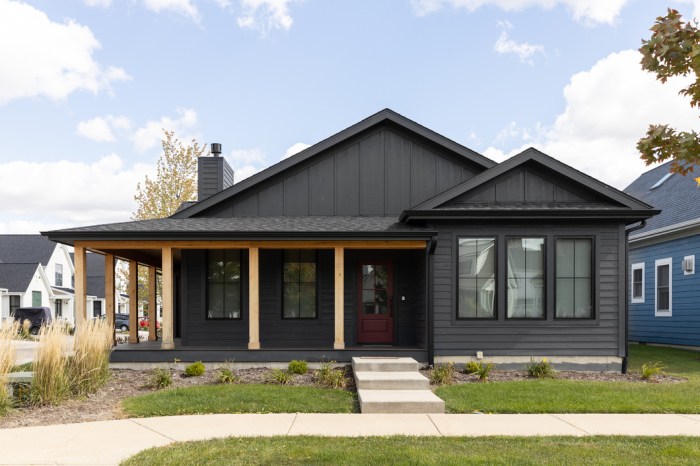
In conclusion, dark siding house brings a touch of elegance and sophistication to any home, elevating its curb appeal and setting it apart from the rest. Embrace the dark side and unleash the beauty of your home with this contemporary design choice.
Common Queries
What are the main benefits of using dark siding for houses?
Dark siding offers a sleek and modern look, hides dirt and imperfections better, and creates a striking contrast with other elements of the house.
How does dark siding affect the overall aesthetic of a house?
Dark siding can make a house appear more modern, dramatic, and sophisticated, depending on the color chosen and the surrounding elements.
What are some popular dark siding color options?
Popular dark siding colors include shades of black, dark gray, navy blue, and even deep green, offering a range of choices to suit different styles.