
Unlock the world of front door installations with this detailed guide. From enhancing your home's curb appeal to improving energy efficiency, front door installations play a crucial role in every household. Let's delve into the key aspects of front door installations and discover the secrets to a secure and stylish entryway.
As we explore the different types of front doors, from wood to fiberglass and steel, we'll uncover the unique features and benefits that each material offers. Planning for a front door installation involves precise measurements and considerations for the ideal size and style.
Introduction to Front Door Installation
Installing a front door is a crucial aspect of maintaining a secure and energy-efficient home. A properly installed front door not only enhances the overall appearance of the house but also plays a significant role in ensuring safety, energy efficiency, and comfort.
Impact on Energy Efficiency
Front door installation can greatly impact the energy efficiency of a home. A well-installed front door helps in maintaining the indoor temperature, preventing heat loss during cold weather, and keeping the cool air in during hot weather. This can lead to reduced energy consumption and lower utility bills, making it a cost-effective investment in the long run.
Security Benefits
One of the key benefits of a properly installed front door is improved security. A sturdy front door with secure locks and proper installation can deter potential intruders and enhance the safety of your home and family. It acts as the first line of defense against unauthorized entry, providing peace of mind to homeowners.
Types of Front Doors
When it comes to front door installation, there are several types of materials to choose from. Each type has its own unique features and benefits, as well as aesthetic considerations to keep in mind.
Wood Front Doors
Wood front doors are known for their classic and traditional look. They can be easily customized to fit the style of your home and are highly durable. However, they may require more maintenance compared to other materials.
Fiberglass Front Doors
Fiberglass front doors are a popular choice for homeowners due to their low maintenance requirements and high energy efficiency. They are also available in a wide range of styles and colors, offering versatility in design.
Steel Front Doors
Steel front doors are incredibly strong and provide excellent security for your home. They are also resistant to harsh weather conditions and require minimal maintenance. However, they may lack the warmth and charm that wood or fiberglass doors offer.
Planning for Front Door Installation
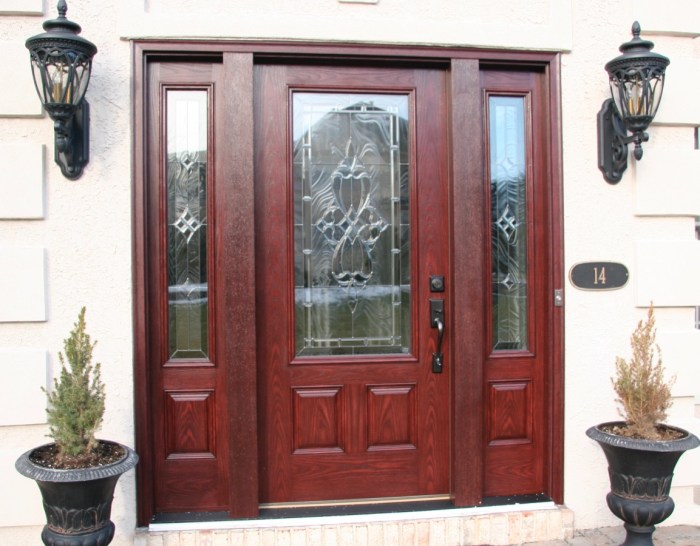
When preparing for a front door installation, it is essential to follow a series of steps to ensure a successful outcome. From measuring the front door space accurately to choosing the right size and style of the front door, each detail plays a crucial role in the overall installation process.
Steps Involved in Preparing for a Front Door Installation
- Clear the area around the front door to provide easy access for installation.
- Measure the existing door frame to determine the correct size for the new front door.
- Inspect the condition of the door frame and make any necessary repairs or adjustments.
- Select the type of front door material that best suits your needs and preferences.
- Prepare the necessary tools and materials for the installation process.
Tips for Measuring the Front Door Space Accurately
- Measure the width of the door frame at the top, middle, and bottom to account for any irregularities.
- Measure the height of the door frame from the threshold to the top of the opening.
- Consider the swing direction of the door and ensure there is enough clearance for it to open and close smoothly.
Considerations for Choosing the Right Size and Style of the Front Door
- Choose a front door size that fits the existing door frame without the need for extensive modifications.
- Select a front door style that complements the architectural design of your home and enhances its curb appeal.
- Take into account the security features and energy efficiency of the front door to ensure maximum functionality.
Front Door Installation Process
Installing a front door is a crucial part of home improvement that enhances both security and curb appeal. Let's dive into the tools, materials, step-by-step process, and common challenges of front door installation.
Tools and Materials Required
- Cordless drill
- Screwdriver
- Level
- Tape measure
- Shims
- Screws
- Weatherstripping
- New front door
Step-by-Step Process of Installing a Front Door
- Remove the old door and frame.
- Prepare the opening by measuring and adjusting for the new door.
- Install the new door by placing it in the opening and securing it with shims and screws.
- Test the door for proper alignment and functionality.
- Add weatherstripping to prevent drafts and improve insulation.
Common Challenges and How to Overcome Them
- Uneven floors or walls can make installation difficult. Use shims to level the door and ensure a proper fit.
- Improper measurements can lead to a misaligned door. Double-check measurements before installation.
- Difficulty adjusting the door for smooth operation. Follow the manufacturer's instructions carefully for proper installation.
Maintenance and Care for Front Doors
Regular maintenance for front doors is essential to ensure their longevity and functionality. By taking proper care of your front door, you can prevent issues such as warping, rotting, or malfunctioning hardware. Here are some tips on how to clean and upkeep different types of front doors:
Wooden Front Doors
- Regularly dust and wipe down the door with a damp cloth to remove dirt and grime.
- Apply a fresh coat of paint or varnish every few years to protect the wood from moisture and UV damage.
- Check for any signs of rot or termite damage and address them promptly.
Steel Front Doors
- Clean the door with a mild detergent and water to remove any dirt or stains.
- Inspect the door for rust spots and repaint them to prevent further corrosion.
- Lubricate hinges and locks regularly to ensure smooth operation.
Fiberglass Front Doors
- Use a non-abrasive cleaner to wipe down the door and remove any debris.
- Apply a protective wax coating to maintain the door's finish and protect it from the elements.
- Check for any cracks or damage to the fiberglass and repair as needed.
Common issues that may arise with front doors include sticking, squeaking hinges, or drafts. To address these problems, you can:
- Adjust the door's alignment by tightening or loosening the screws on the hinges.
- Apply lubricant to the hinges to reduce friction and eliminate squeaking noises.
- Install weather stripping around the door frame to prevent drafts and improve energy efficiency.
Closing Notes
In conclusion, front door installations are not just about aesthetics but also about security and energy efficiency. By understanding the maintenance and care required for front doors, you can ensure a lasting and welcoming entryway for your home. Dive into the world of front door installations and elevate your home's appearance and functionality today.
Common Queries
What are the benefits of a properly installed front door?
A properly installed front door enhances home security, energy efficiency, and overall aesthetic appeal.
How do I choose the right size front door?
Measure the door space accurately and consider the ideal size and style that complements your home's architecture.
What maintenance is required for front doors?
Regular cleaning and upkeep are essential to ensure the longevity and functionality of front doors.