
UX design is a pivotal aspect of product development that shapes the user experience. Dive into this captivating narrative to uncover the essence of UX design and its profound impact on creating intuitive interfaces.
As we delve deeper, we will explore the fundamental principles, intricate processes, essential tools, emerging trends, and everything in between that defines the realm of UX design.
Introduction to UX Design
UX design, short for User Experience design, is a crucial aspect of product development that focuses on enhancing user satisfaction by improving the usability, accessibility, and overall interaction between the user and the product. It plays a significant role in creating products that are not only functional but also enjoyable to use.
Role of UX Design in Creating User-Friendly Interfaces
UX design is responsible for designing user-friendly interfaces that are intuitive, easy to navigate, and visually appealing. By understanding user behaviors, preferences, and pain points, UX designers can create interfaces that meet the needs of the target audience and provide a seamless and enjoyable user experience.
Difference between UX Design and UI Design
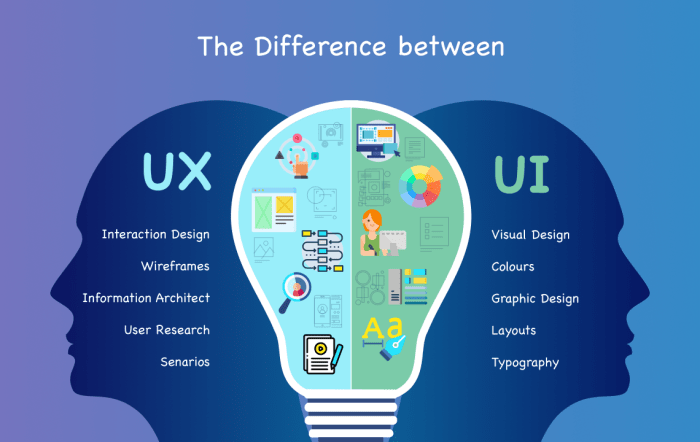
While UX design focuses on the overall user experience, including the usability and functionality of the product, UI design, short for User Interface design, is more concerned with the look and feel of the product. UX design determines how the product works, while UI design focuses on how the product looks.
Both are essential components of product design, working together to create a successful and user-centered product.
Principles of UX Design
Effective UX design is built upon several key principles that aim to enhance the user experience and drive user engagement. Understanding these principles is crucial for creating successful and impactful designs that meet user needs and expectations.
Usability
Usability is at the core of UX design, focusing on how easy and intuitive it is for users to interact with a product or service. A design that prioritizes usability ensures that users can achieve their goals efficiently and without confusion.
Accessibility
Accessibility in UX design involves making products and services usable for all individuals, regardless of their abilities or disabilities. By designing with accessibility in mind, designers can create inclusive experiences that cater to a diverse range of users.
Desirability
Desirability pertains to the emotional appeal and attractiveness of a design. A desirable UX design not only meets functional needs but also captivates users on an emotional level, fostering a positive connection and engagement.
Empathy and User Research
Empathy is a foundational element of effective UX design, as it involves understanding and empathizing with the needs, motivations, and emotions of users. User research plays a critical role in gathering insights and feedback from users to inform design decisions and create solutions that truly resonate with their preferences.
User-Centered Design
User-centered design is a holistic approach that prioritizes the needs and preferences of users throughout the design process. By involving users in every stage, from ideation to testing, designers can ensure that their solutions are tailored to user requirements, resulting in more successful and user-friendly designs.
UX Design Process
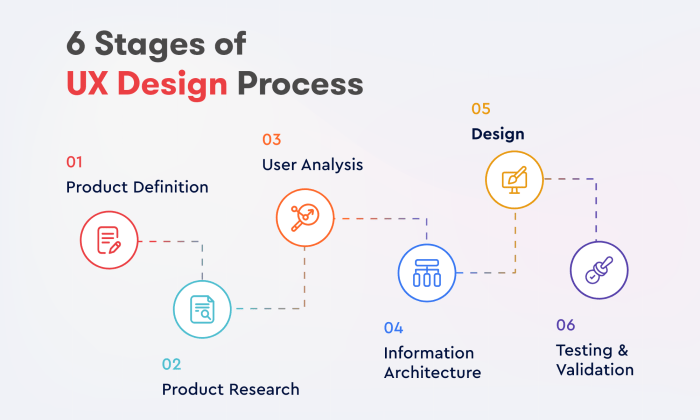
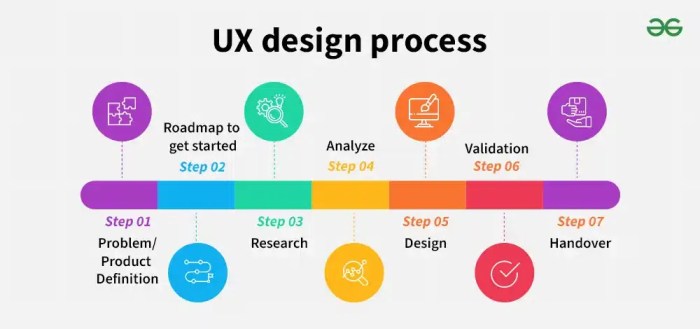
In the UX design process, there are several key phases that help create a successful user experience. These phases typically include research, design, prototyping, testing, and iteration.
Importance of Prototyping and User Testing
Prototyping is a crucial step in the UX design cycle as it allows designers to create a tangible representation of their ideas. By creating prototypes, designers can gather feedback from users early on in the process, helping to identify and address any issues before finalizing the design.
User testing, on the other hand, involves observing real users interacting with the product to uncover usability issues, preferences, and pain points. Both prototyping and user testing are essential for creating user-centric designs that meet the needs of the target audience.
Iteration and Feedback Loops
Iteration and feedback loops play a significant role in enhancing the UX design process. Through iteration, designers can refine and improve their designs based on feedback received from users during testing. This cyclical process allows for continuous improvement and ensures that the final product aligns with user expectations.
Feedback loops help designers gather valuable insights that can inform design decisions and drive innovation, ultimately leading to a more user-friendly and effective end product.
Tools and Techniques in UX Design
In UX design, utilizing the right tools and techniques is crucial to creating user-friendly and intuitive digital experiences. Here are some popular tools and techniques used in the field:
Popular UX Design Tools
- Sketch: A vector graphics editor for designing interfaces and user experiences.
- Adobe XD: Allows for creating prototypes, wireframes, and designs for websites and mobile apps.
- Figma: A collaborative interface design tool that enables real-time collaboration and prototyping.
Wireframing and Mockups
Wireframing involves creating a visual representation of a website or application's layout without the design elements. It helps in outlining the structure and functionality of the product. Mockups, on the other hand, are high-fidelity visual representations that include design elements like colors and typography, providing a more realistic preview of the final product.
Role of Personas, User Flows, and Journey Maps
- Personas: Fictional characters representing different user types, helping designers understand user needs, behaviors, and goals.
- User Flows: Visual representations of the paths users take when interacting with a product, from entry to completion of tasks.
- Journey Maps: Illustrate the entire user experience journey, including touchpoints, emotions, and interactions at various stages.
Trends in UX Design
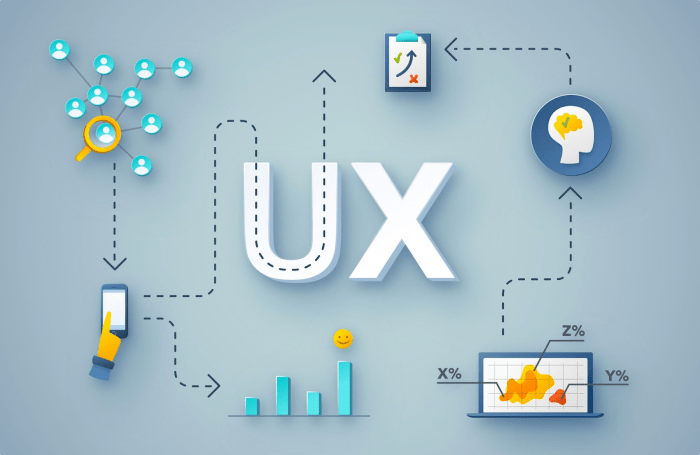
The field of UX design is constantly evolving, with new trends shaping the way users interact with digital products. In this section, we will explore some of the current trends that are influencing UX design practices.
Dark Mode
Dark mode has become increasingly popular among users as it provides a visually appealing alternative to the traditional light interface. This trend not only reduces eye strain in low-light environments but also helps conserve battery life on devices with OLED screens.
Microinteractions
Microinteractions refer to small, subtle animations or feedback that enhance user experience by providing visual cues and feedback. These small interactions can make a big difference in how users engage with a product, improving usability and overall satisfaction.
Voice Interfaces
Voice interfaces are gaining traction as more devices integrate voice-controlled features. With the rise of virtual assistants like Siri and Alexa, designing for voice interactions has become a crucial aspect of UX design. Voice interfaces offer hands-free operation and accessibility for users with disabilities.
AI and Machine Learning
The integration of AI and machine learning technologies is revolutionizing UX design by enabling personalized experiences based on user behavior and preferences. These technologies can analyze vast amounts of data to deliver tailored recommendations and enhance the overall user journey.
Responsive Design
Responsive design is essential in today's multi-device landscape, where users access digital products across various platforms and screen sizes. A responsive design ensures that the user experience remains consistent and optimal, regardless of the device being used.
Final Summary
In conclusion, UX design emerges as a dynamic blend of creativity, empathy, and innovation that lies at the core of user-centric digital experiences. As technology evolves, the principles of UX design continue to shape the digital landscape, ensuring seamless interactions and engaging interfaces for users worldwide.
FAQ Guide
What is the difference between UX design and UI design?
While UX design focuses on the overall user experience, including usability and accessibility, UI design specifically deals with the visual aspects and interface elements of a product.
How does user research contribute to effective UX design?
User research helps designers understand the needs, behaviors, and preferences of users, allowing them to create interfaces that are tailored to meet user expectations.
What are some popular tools used in UX design?
Popular UX design tools include Sketch, Adobe XD, Figma, which aid in wireframing, prototyping, and creating mockups for user interfaces.